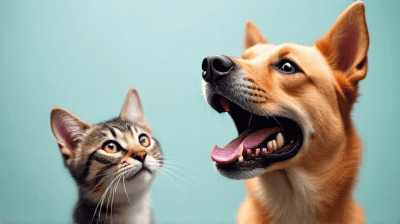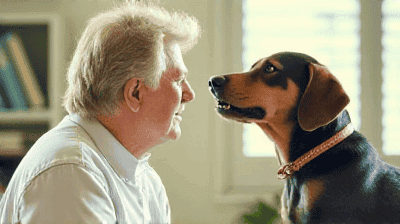
In households where both children and pets coexist, sibling rivalry can sometimes emerge. Just as siblings may compete for attention, resources, or affection, pets and kids can also experience similar dynamics. Managing this rivalry requires understanding, patience, and proactive strategies to ensure a harmonious environment for everyone.
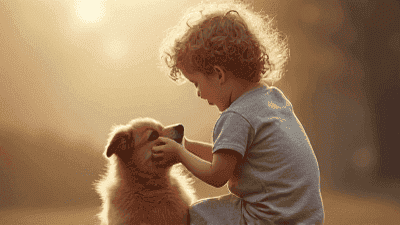
In households where both children and pets coexist, sibling rivalry can sometimes emerge. Just as siblings may compete for attention, resources, or affection, pets and kids can also experience similar dynamics. Managing this rivalry requires understanding, patience, and proactive strategies to ensure a harmonious environment for everyone.
Understanding Sibling Rivalry Between Pets and Kids
Sibling rivalry between pets and kids often arises from competition for attention, resources, or territory. Pets and children may both feel threatened or overlooked, leading to tension, jealousy, or conflict. Understanding the root causes of this rivalry is the first step toward addressing and managing it effectively.
Common Causes of Sibling Rivalry
- Attention Competition: Pets and children may compete for the attention of parents or caregivers, leading to feelings of jealousy or neglect.
- Resource Guarding: Pets may guard their food, toys, or resting spots, while children may feel possessive of their belongings or space.
- Territorial Behavior: Both pets and children may exhibit territorial behavior, especially if they feel their personal space is being invaded.
- Miscommunication: Children and pets may misunderstand each other’s signals or intentions, leading to conflicts or accidents.
- Changes in Routine: Major life changes, such as the arrival of a new baby or pet, can disrupt established routines and trigger rivalry.
Strategies for Managing Sibling Rivalry Between Pets and Kids
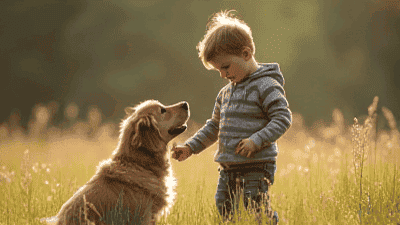
Managing sibling rivalry between pets and kids requires a combination of clear boundaries, positive reinforcement, and consistent routines. Here are some strategies to help you create a harmonious home:
1. Establish Clear Boundaries and Rules
Setting clear boundaries and rules is essential for preventing and managing rivalry between pets and kids. Here’s how to establish guidelines for both:
For Kids
- Teach Respect for Pets: Educate your children about the importance of respecting their pet’s space, belongings, and needs.
- Supervise Interactions: Always supervise interactions between young children and pets to ensure safe and positive behavior.
- Assign Responsibilities: Involve your children in pet care tasks, such as feeding or grooming, to teach them responsibility and empathy.
For Pets
- Train Basic Commands: Teach your pet basic commands like "sit," "stay," and "leave it" to ensure they can coexist safely with children.
- Reward Good Behavior: Use positive reinforcement to encourage positive interactions between your pet and kids.
- Provide Mental Stimulation: Keep your pet mentally and physically stimulated with toys and activities to reduce stress and unwanted behaviors.
2. Create Separate Spaces for Pets and Kids
Both pets and children need their own personal spaces where they can retreat and feel safe. Here’s how to create designated areas for each:
For Pets
- Create a Pet Zone: Set up a specific area for your pet that includes their bed, food and water bowls, toys, and litter box or crate. This space should be quiet and away from high-traffic areas.
- Provide a Safe Retreat: Pets need a place where they can escape when they feel overwhelmed. Use a crate, pet bed, or designated room as a safe retreat.
For Kids
- Designate Play Areas: Create play areas for your children that are separate from your pet’s zone. Use baby gates or playpens to keep kids and pets apart during certain activities.
- Teach Respect for Boundaries: Encourage your children to respect the pet’s space by not disturbing them while they’re eating, sleeping, or in their safe retreat.
3. Encourage Positive Interactions and Bonding
Fostering positive interactions between your pets and kids can help reduce rivalry and build a strong bond. Here are some activities to encourage meaningful connections:
Teach Gentle Play
- Use Toys: Encourage your children to use toys when playing with the pet, rather than using their hands or pulling on fur.
- Model Calm Behavior: Teach your children to approach the pet calmly and gently, avoiding sudden movements or loud noises.
Reward Positive Behavior
- Praise and Treats: Reward both your children and your pet for positive interactions, such as gentle petting or following commands.
- Encourage Empathy: Teach your children to recognize their pet’s emotions and respond with kindness and understanding.
4. Manage Attention Equitably
Ensuring that both your pets and kids receive adequate attention can help prevent feelings of jealousy or neglect. Here’s how to manage attention equitably:
Scheduled Quality Time
- One-on-One Time with Kids: Set aside dedicated one-on-one time with your children to reinforce their importance and value.
- One-on-One Time with Pets: Spend quality time with your pets, such as playing or grooming, to ensure they feel loved and attended to.
Inclusive Activities
- Family Activities: Plan activities that include both your pets and kids, such as family walks or playtime in the backyard.
- Shared Responsibilities: Involve your children in pet care tasks, such as feeding or grooming, to foster a sense of teamwork and shared responsibility.
5. Address Resource Guarding Behavior
Resource guarding can be a significant source of tension between pets and kids. Here’s how to address and manage this behavior:
For Pets
- Training: Teach your pet to associate positive experiences with the presence of children near their resources. For example, reward your pet when they allow your child to approach their food bowl.
- Separate Feeding Areas: Establish separate feeding areas for your pet and children to prevent conflicts over food.
For Kids
- Teach Sharing: Educate your children about the importance of sharing and respecting their pet’s belongings.
- Supervise Resource Interactions: Always supervise interactions between your children and pets when resources, such as toys or food, are involved.
6. Maintain Consistent Routines
Consistent routines provide stability and predictability for both pets and children, reducing the likelihood of rivalry. Here’s how to establish and maintain consistent routines:
Daily Schedule
- Feeding Times: Set regular feeding times for your pet and ensure your children understand the importance of not disturbing them during meals.
- Playtime and Exercise: Schedule daily playtime and exercise for your pet to help them release energy and reduce stress.
- Bedtime Rituals: Establish consistent bedtime rituals for both your children and pets to promote healthy sleep habits.
Adapt to Changes
- Gradual Transitions: When introducing changes, such as a new family member or schedule adjustment, make the transition gradual to minimize disruption.
- Reassess Routines: Periodically reassess and adjust routines as needed to accommodate the evolving needs of your children and pets.
7. Monitor and Address Stress Signs
Both pets and children may exhibit signs of stress when experiencing rivalry or conflict. Here’s how to recognize and address these signs:
For Pets
- Behavioral Changes: Watch for signs of stress in your pet, such as aggression, withdrawal, or excessive grooming.
- Provide Comfort: Create a safe and comfortable environment for your pet, including a quiet retreat space.
For Kids
- Emotional Cues: Pay attention to your children’s emotions, such as jealousy, frustration, or sadness.
- Open Communication: Encourage your children to express their feelings and provide reassurance and support.
8. Seek Professional Help When Needed
If sibling rivalry between your pets and kids persists or escalates, it may be helpful to seek professional assistance. Here are some options:
Veterinarian or Animal Behaviorist
- Behavioral Training: Consult with a veterinarian or animal behaviorist to address any problematic behaviors in your pet.
- Health Check: Ensure your pet is in good health, as underlying medical issues can contribute to behavioral changes.
Child Psychologist or Counselor
- Emotional Support: Seek guidance from a child psychologist or counselor to help your children navigate their feelings and develop healthy coping mechanisms.
- Family Therapy: Consider family therapy to address any broader dynamics affecting the household.
Conclusion
Managing sibling rivalry between pets and kids is a multifaceted process that requires understanding, patience, and proactive strategies. By establishing clear boundaries, creating separate spaces, encouraging positive interactions, and maintaining consistent routines, you can foster a harmonious and loving environment for both your furry friends and little ones. Remember that building strong relationships takes time and effort, but the rewards of a peaceful and joyful household are well worth it. With the right approach, you can help your pets and children form a bond that will last a lifetime.